

Why the best croissants
are now baked in Seoul
Whether in the United States, South Tyrol or South Korea – when demanding
baking projects need to succeed, Michael Schabert is the expert customers rely
on. As a master baker at Werner & Pfleiderer (WP), he combines traditional
craftsmanship with technical expertise to turn even the most ambitious customer
requests into reality – including croissants from Seoul that would have even the
French queuing up.
The Enabler
No distance is too far in the pursuit of exceptional baked goods.
It says Traveling Master Baker on his business card. But Michael Schabert is so much more. He understands dough, technology, processes, and above all people – although he speaks no other language apart from German with a southern German flavor and English. First and foremost, the 57-year-old master baker is an enabler. Someone who knows exactly how to enable a renowned baker from Seoul to bake croissants even the French would queue up for.
Michael Schabert is on the road 120 days a year, logs 80,000 to 90,000 air miles a year, and covers another 60,000 kilometers a year with his company car. He has commissioned systems for a pizza producer, for burger bun producers in the U.S., or for a dumpling manufacture in South Tyrol. For him, no distance is too far, no task too challenging. The master baker loves to feel dough beneath his hands, has already applied for two patents together with colleagues, knows how to read complex excel spreadsheets, and never lingers on the surface in conversations. His motto in life: “Thinks forwards, understand backwards.”
He is the guy of whom customers expect that the systems and ovens designed and built by Werner & Pfleiderer can produce reproducibly exactly the product they have asked for, with the desired properties and consistent quality.
Systems that are particularly efficient, relieve employees, and produce products that create unique selling points and recognition, which ultimately increases sales and earnings. Nothing more, but also nothing less. Michael Schabert travels back home only after he has obtained the customer’s signature of approval following system briefing. This might take longer than the week that was scheduled, and sometimes he is back home with his wife a lot sooner.
But being chauffeured through Seoul in a Rolls-Royce Phantom by a happy owner of a bakery behind the wheel is a first for Michael Schabert, even after 25 years on the job. The story began with a meeting and a list of requirements of the potential customer, even Michael Schabert with all his experience was not entirely sure he could meet.
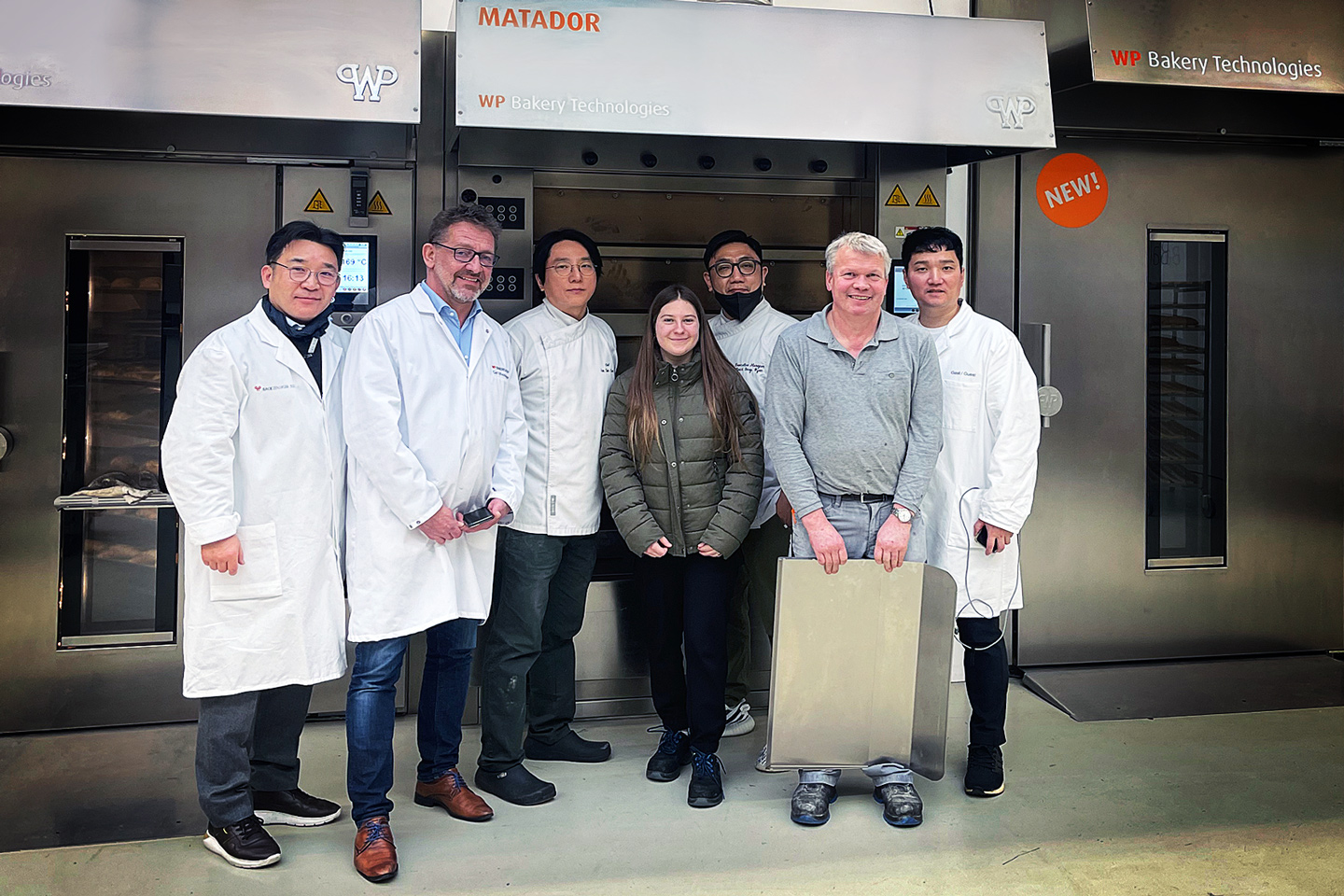
In Tae Eon (Managing Director of Le Pain, Seoul) and his team, Collin Kim (Daiah Commercial), and Michael Schabert (WP Master Baker) with the WP team during recipe trials at the WP Baking Center South in Dinkelsbühl, Germany.
In Tae Eon runs a bakery in Seoul following the French baking tradition. In this case, nomen est omen, as his name translates into “man of great speech”. He is a social media start in his home country. Le Pain’s products are now presented in 200 stores like jewelery in display cases and on presentation platforms, and the croissants are individually vacuum-sealed.
The requirement: Producing a baguette with a crispy crust and a soft crumb. Plus, a croissant that retains its shape and volume and is soft. Collin Kim of Daiah Commercial Co. Ltd., the dealership in South Korea, had already sparked interest in the possibilities and the benefit of vacuum cooling. In 2023, In Tae Eon, some of his employees, and Collin Kim of Daiah Commercial Co. Ltd., traveled straight from the Europain in Paris to the Baking Center in Dinkelsbühl.
Michael Schabert had received the recipes beforehand. Procuring the ingredients posed a challenge. The flours used by the customer have properties very similar to that of flour used for baguettes and croissants in Central Europe. The croissant has a butter content of 35 %, however, this is butter with a fat content of 88 %. In Central Europe, butter with a fat content of 82 % is usually processed.
Michael Schabert loaded the MATADOR deck oven and the VACUSPEED cooling cell with one batch after the other, adjusted parameters by nuances over and over again, until the products came out just perfect for In Tae Eon, who also took a liking to the possibilities of the TEWIMAT dough divider and started to experiment with the ingredients.
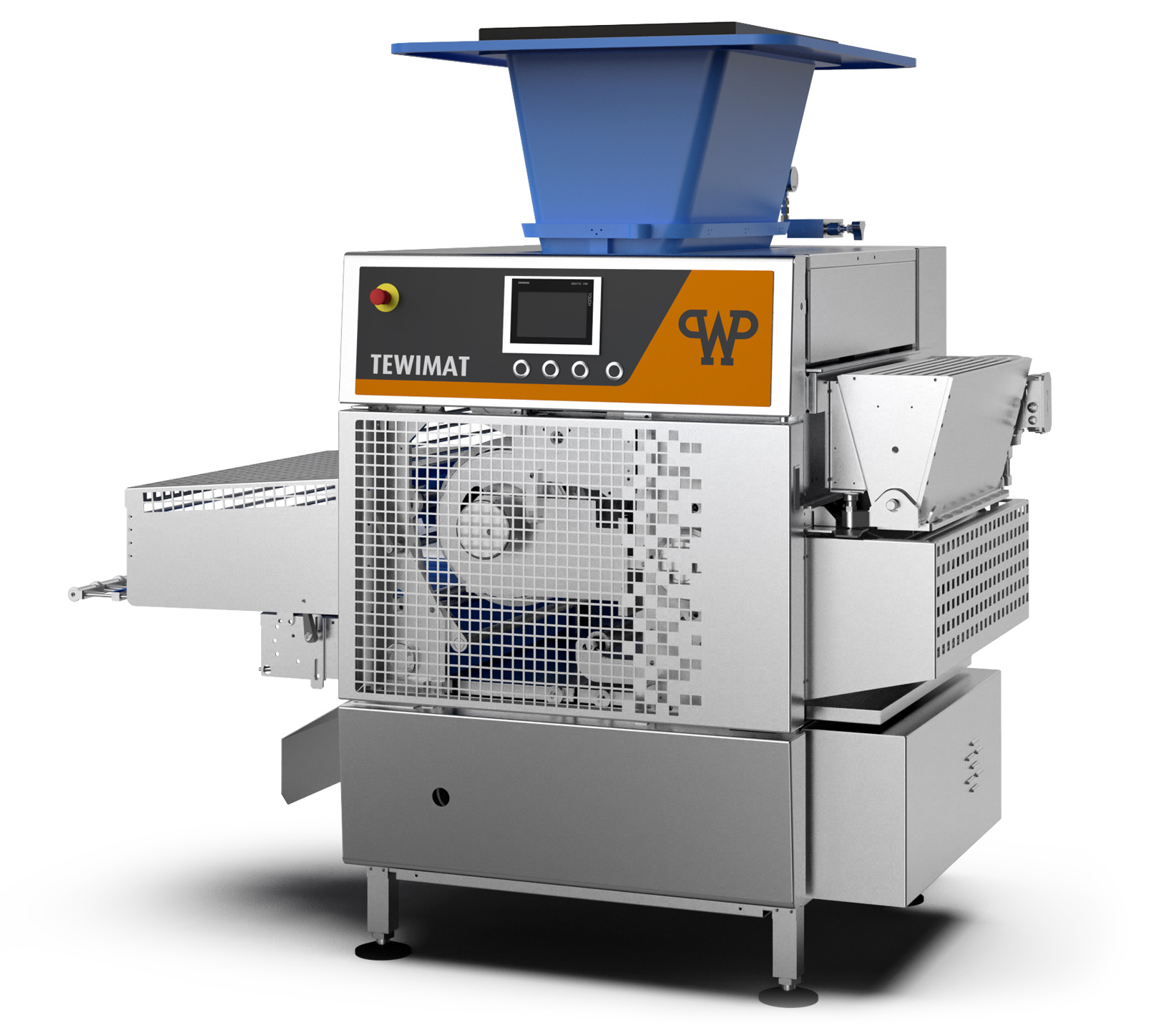
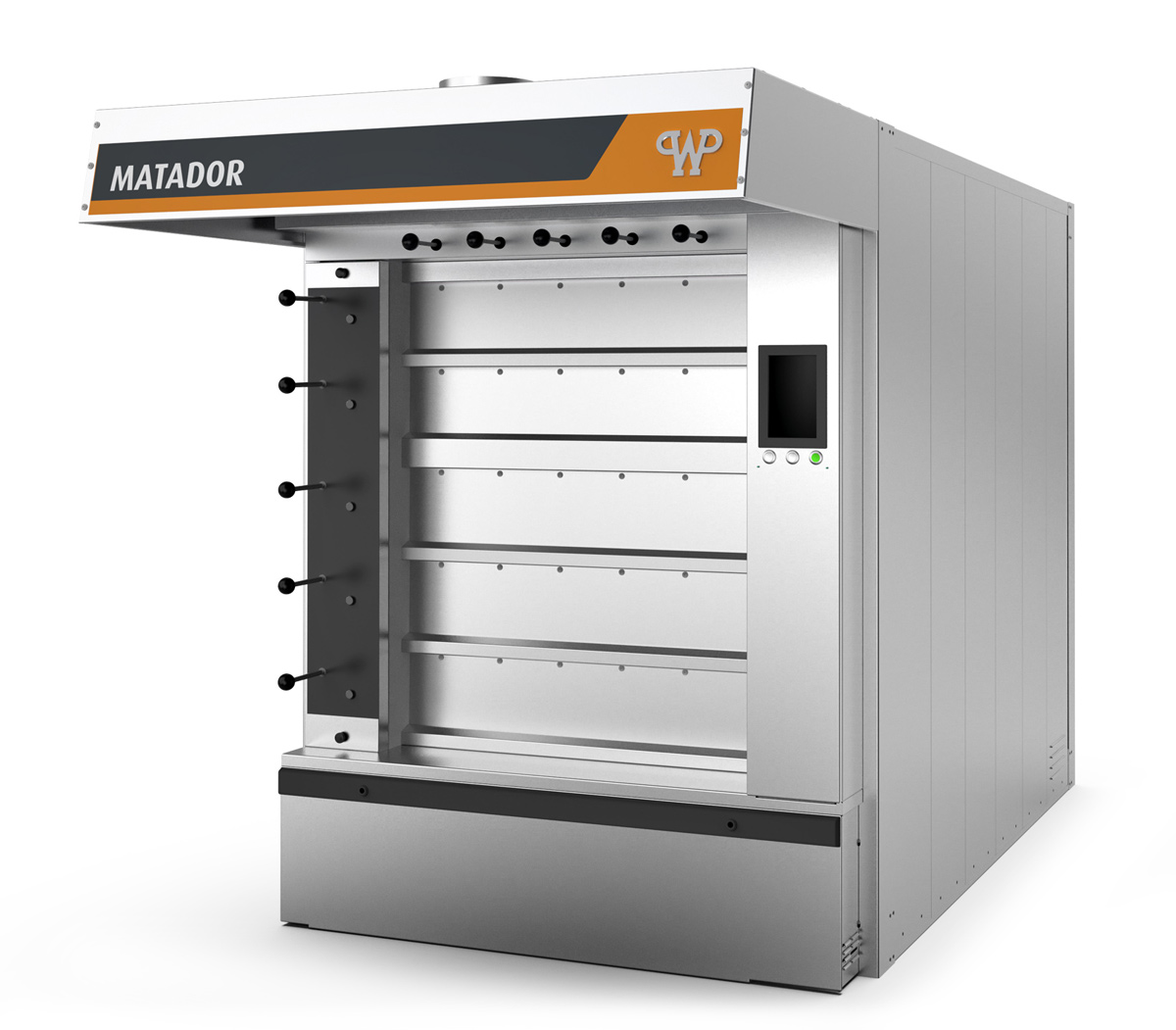
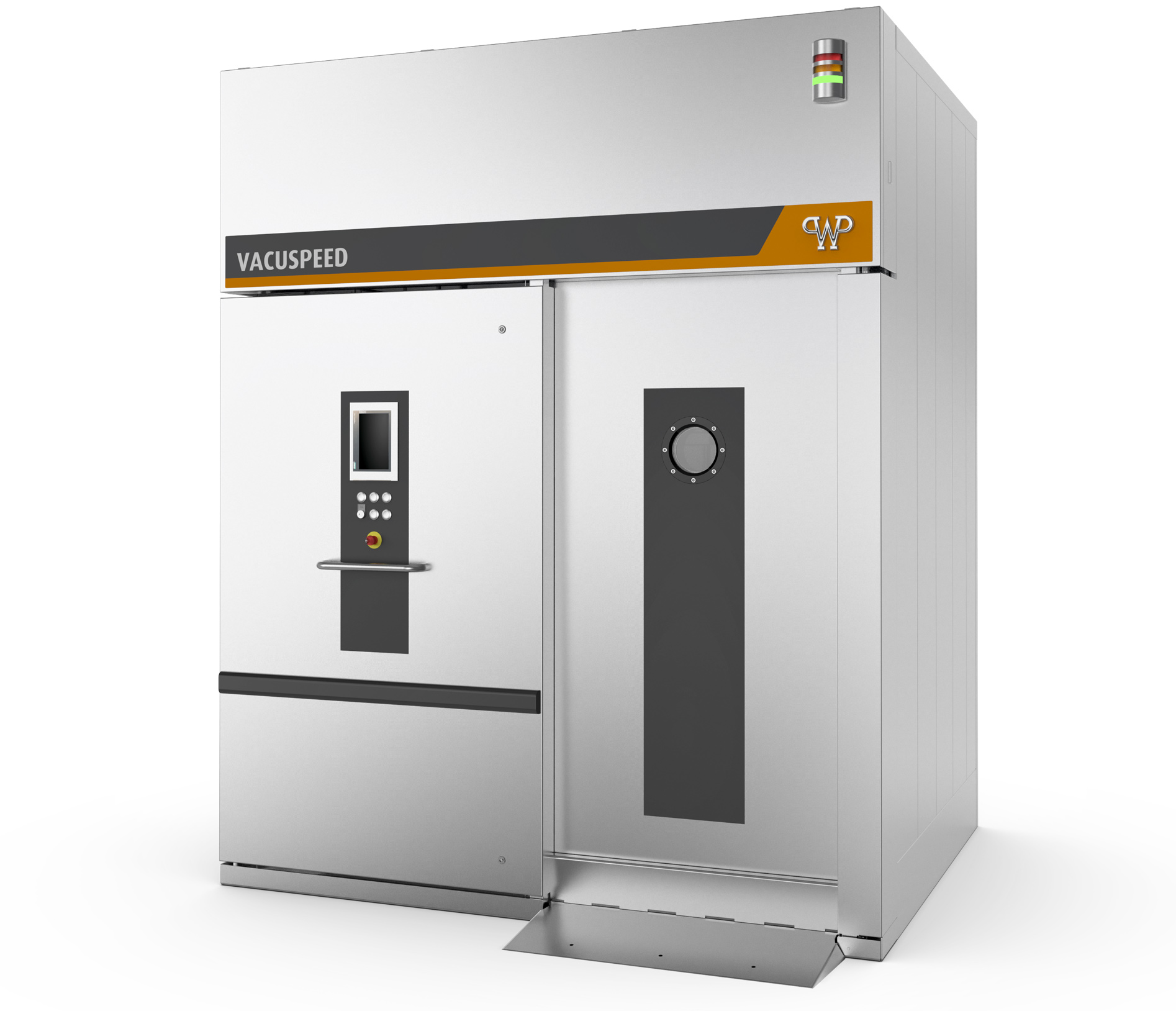
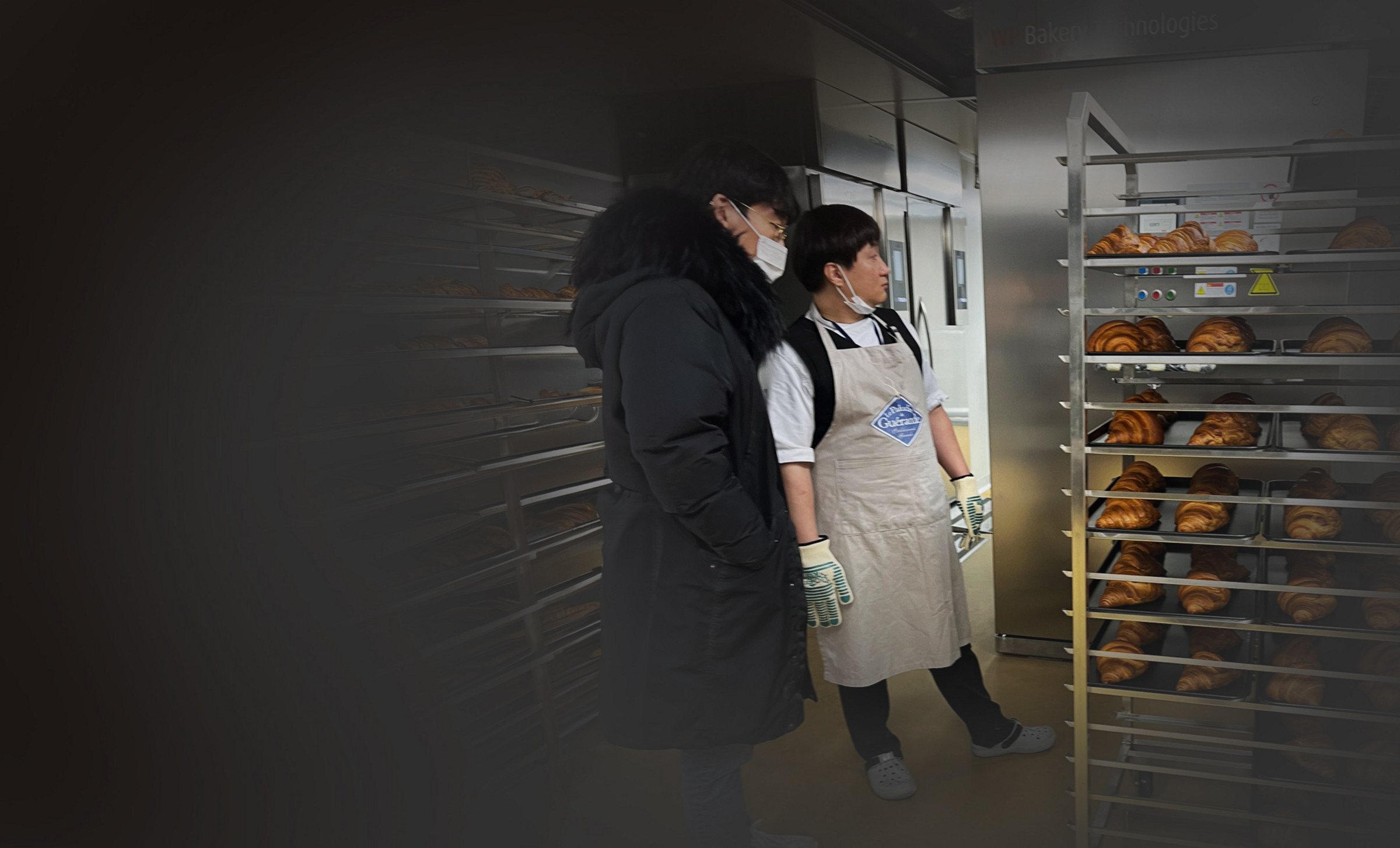
The focus then shifted away from fine-tuning the parameters of MATADOR and VACUSPEED towards centimeters during transport and installation. The five-story building in Seoul’ city center that houses production, administration, and a store was already undergoing major conversion work. The measurements were taken on site by the dealer’s employees, the elements were manufactured to the appropriate dimensions and sent on a long journey in an overseas container. The container with all the components packed in crates was hauled ashore at -27 °C, and the VACUSPEED was installed, adjusted, and commissioned in the basement of the building at 8 °C.
Baking ovens, loading systems, bread roll baking systems, and, above all, the VACUSPEED are installed at ambient conditions seldom known in advance and therefore cannot be simulated with software. Ambient temperatures and humidity, the air’s oxygen content, etc., change the properties of the ingredients and thus the products in the process. The experts have combined these complex correlations in mathematical formulas. On site, it then requires finesse when making the settings, and in particular when passing all the information on to the client. Michael Schabert can recall commissioning procedures in Japan, where the recommendations were packaged and conveyed with a great deal of courtesy towards the client.
With Le Pain in Seoul, he had the notion that the ambient conditions were far from ideal. As with other projects, detailed operating instructions in Korean were prepared and handed over during commissioning procedures. The owner nodded and signed to confirm that he had received full briefing and a ready-to-use system. When Michael Schabert returned to Seoul 16 months later, he was rather astonished: Owing to the new parameters in production, In Tae Eon had changed the settings after commissioning. The result was very convincing for Michael Schabert: “Quite obviously, my briefing was understood and followed.”
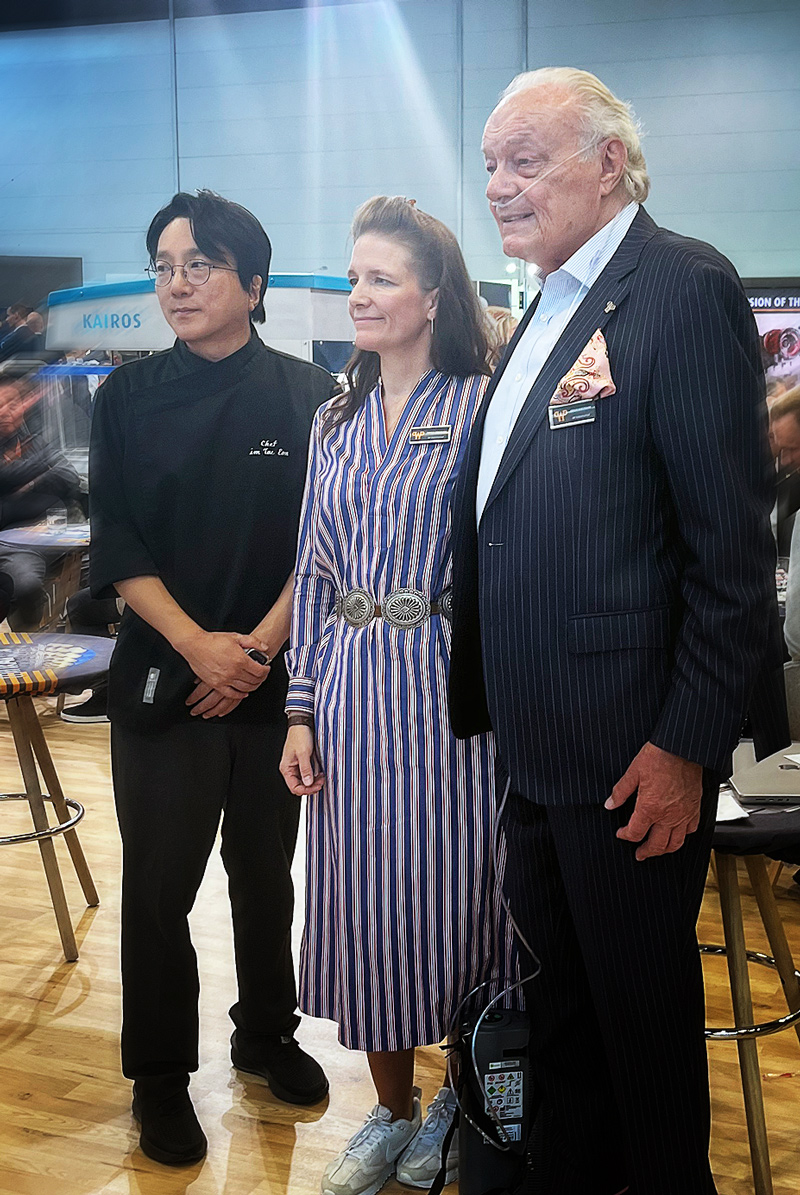
His 25 years of experience have taught Michael Schabert, just how greatly clients value appreciation and mutual respect. He had barely returned from his trip to Asia, including a detour to Taiwan, when the iba in Düsseldorf came up. In Tae Eon announced his attendance, among others because he wanted to meet in person the owner of the company that enabled him to product baguettes and croissants just the way he imagined them.